

Mainstream media is eagerly repeating the public relations triumphs of fossil fuel giants, but the fundamental laws of thermodynamics reveal a multi-billion-dollar accounting trick, writesMatthew Peel.
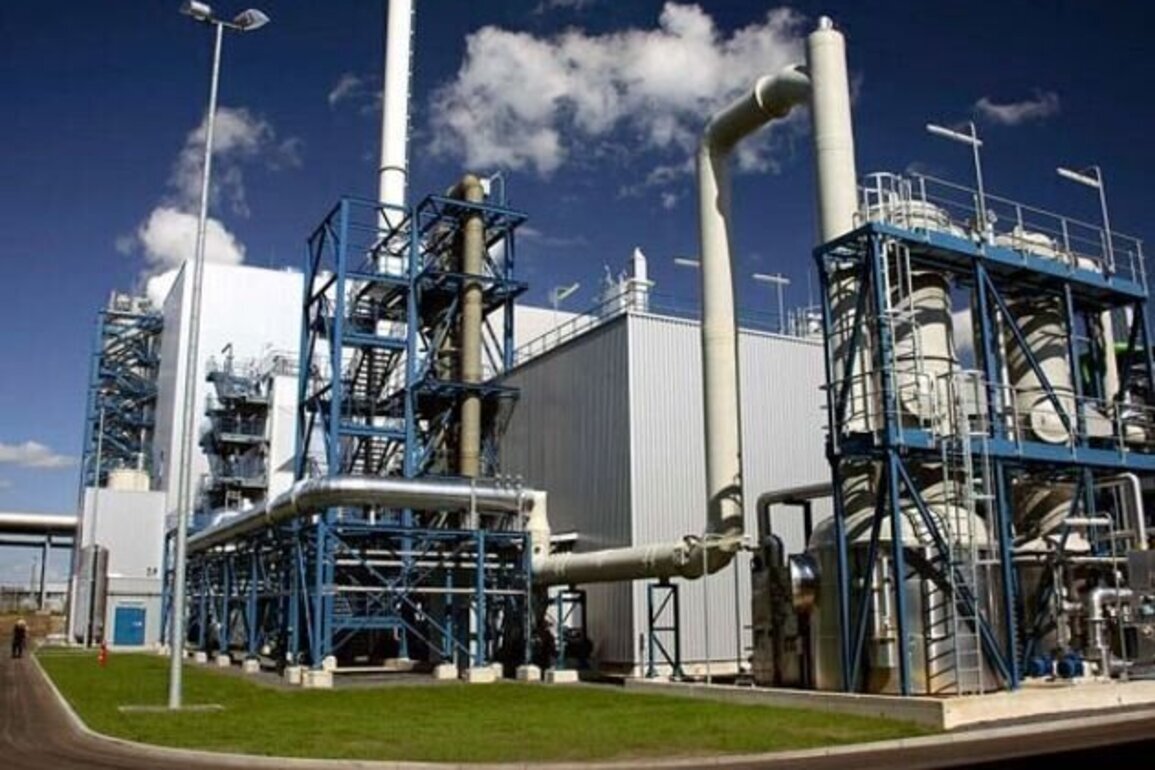
CORPORATE NEWS HEADLINES are currently flooded with triumphant PR declarations, withSantosrecently highlighting that itsMoomba facilityhas locked away 2 million tonnes of greenhouse gases.
Commercial networks unthinkingly echo this, framing carbon capture and storage (CCS) as a flawless solution that solves the climate crisis without disrupting business as usual. But pull back the curtain and a physical contradiction emerges. Unlike renewable energy infrastructure like solar panels which quickly pay back their initial manufacturing footprint within a few years carbon capture imposes a permanent, ongoing lifecycle energy tax.
Running the massive vacuums, chemical processors and high-pressure compressors required to shove carbon underground introduces a staggering and continuous parasitic energy load of up to 40 per cent (International Energy Agency (IEA) Greenhouse Gas R&D Programme,Assessment of Emerging CO2 Capture Technologies). When that massive power demand is drawn directly from gas-fired turbines, these facilities are forced to actively burn more fossil fuels, creating entirely new, ongoing emissions just to capture the old ones.
Carbon-emitting mining tycoon Andrew Twiggy Forrest turns 'green'Far be it from this publication to criticise anyone contributing to a greener world. Indeed, Independent Australia has long advocated for climate action.
To understand this engineered delusion, contrast the corporate hype with global scientific consensus. Strip away the jargon, and CCS is simply an industrial process that intercepts carbon dioxide and pumps it deep underground. The Intergovernmental Panel on Climate Change (IPCC) identifies carbon removal as a potential necessity for hard-to-abate industries like steel and cement.
Crucially, however, the IPCC frames CCS as a high-cost, low-priority option that sits at the absolute bottom of the mitigation hierarchy, heavily trailing cheap, scalable alternatives like solar and wind power. Climate science is clear: CCS is a niche, last-resort cleanup mechanism, not an excuse to delay the phase-out of fossil fuels.
A last-resort safety net is difficult to monetise, which explains the energy sectors coordinated rhetorical pivot over the last three years.
Santos CEOKevin Gallagherrecently championed this shift,telling the media:
Similarly, Woodside CEOMeg ONeillhasarguedthat developing natural gas:
Black gold, dirty power: How oil still rules the worldOil has shaped wars, toppled governments and warped global power for over a century and its grip is only growing more dangerous as the world struggles to break free.
These executives are not selling a cleanup tool; they are selling a commercial decarbonisation service. They have pitched a fantasy where Australia acts as the primary carbon dump for Asia, allowing them to keep the liquefied natural gas (LNG) trade alive indefinitely.
This public relations campaign relies entirely on the selective presentation of data. When a company flashes a milestone on the evening news, they report gross injection metrics the raw volume of gas piped down while glossing over the net atmospheric reality.
Media coverage routinely fails to subtract the energy cost of the capture process, the baseline emissions of expanded projects, or theScope 3footprint generated when exported gas is burned overseas. Commercial reporting acts as a willing accomplice, refusing to ask how much extra gas must be extracted to keep the carbon pumps running.
By isolating injection from broader expansion, the press successfully manufactures public consent for an industry expanding under the guise of abatement.
This is not an editorial oversight; it is a calculated strategy to protect legacy industries. This framing allows operators to claim they are cleaning up while securing government subsidies and racking up carbon credits, effectively laundering their image on the taxpayers dime.
For Australians looking past the slick evening broadcast, the lesson is clear: when a multi-billion-dollar fossil fuel entity spruiks a technological miracle that conveniently allows them to keep drilling, the primary thing being captured isnt carbon it is the political process and the public's imagination.
Matthew Peelis a physiotherapist with an interest in the importance of critical thinking, exposing media bias and promoting progressive policy.
Related Articles
- Arming for extinction: The climate cost of militarism
- Australias environmental crisis ignored as political parties drift Right
- Climate emergency ignored as banks double down on coal and gas
- Even human suffering is unequal and exhausting
- Climate commitments crumble as ANZ and Westpac bankroll new fossil projects